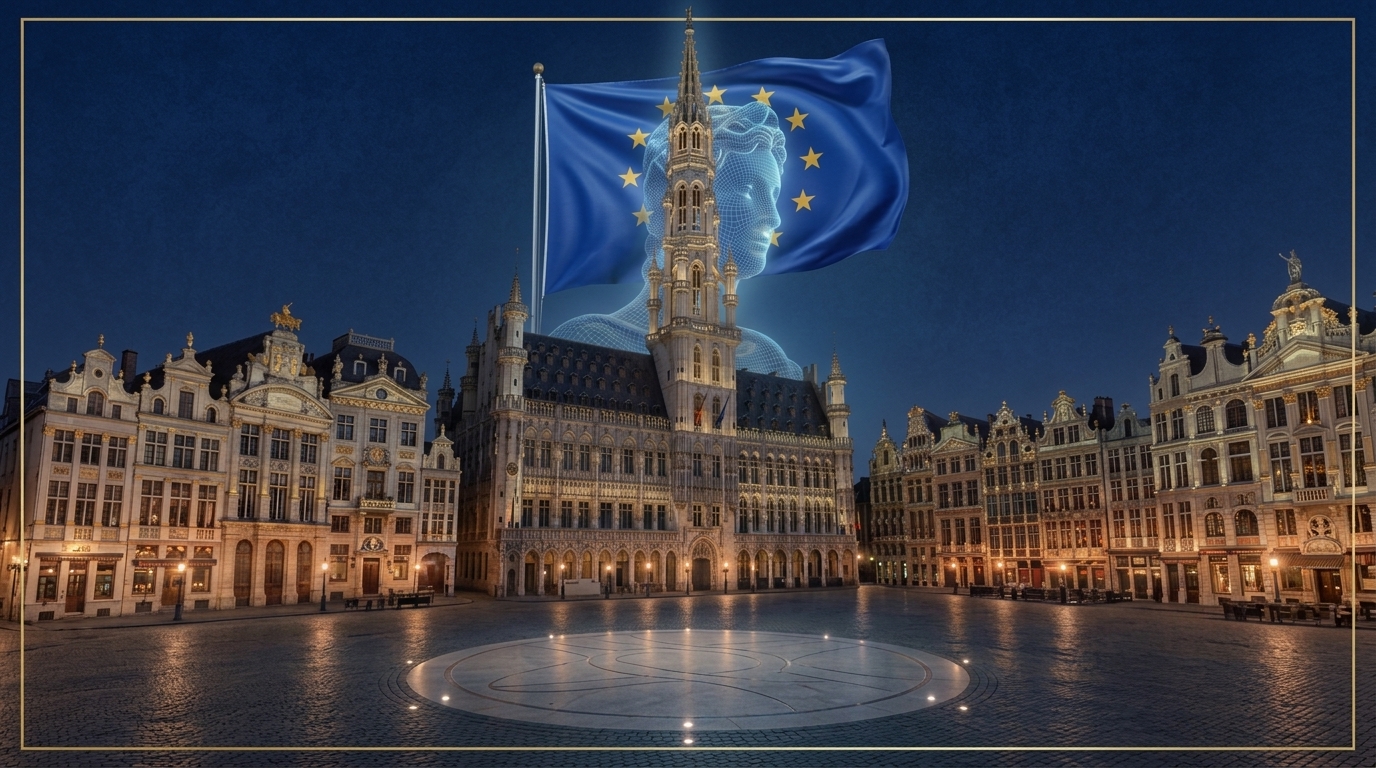
Digital technologies, new business models and sustainable tourism took centre stage as the MetaHeritage community came together in Brussels to reflect on the project’s achievements and explore new opportunities for European heritage innovation.
On 22 October 2026, the MetaHeritage consortium welcomed stakeholders from across Europe to Brussels for its final stakeholder event, “Heritage Innovation for Europe’s Regions: Digital Technologies, New Business Models and Sustainable Tourism.” Organised in collaboration with the Emilia-Romagna Region Delegation to the EU, the event brought together experts, innovators, regional representatives and stakeholders to exchange ideas and discuss how cultural heritage can become a driver of innovation, regional competitiveness and sustainable tourism.
The event formed part of two inspiring days in Brussels, which also included the consortium’s final meeting. Together, these moments provided an opportunity to reflect on the journey so far, celebrate the results achieved and look ahead to future collaboration.
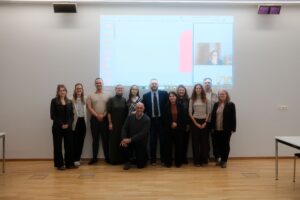
From cultural heritage to new digital experiences
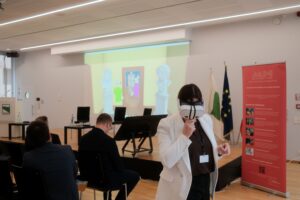
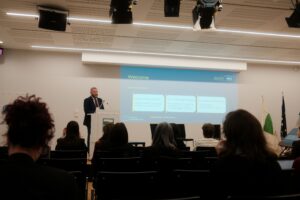
The stakeholder event opened with welcoming remarks from Michele Colavito, our representative of the MetaHeritage consortium, the Emilia-Romagna Region and the European Commission’s Directorate-General for Regional and Urban Policy (DG REGIO). The programme then explored the role of digital heritage in strengthening Europe’s innovation and tourism ecosystems, with a keynote address by Anna Athanasopoulou, Director for Simplification & Networks at the European Commission’s DG GROW.
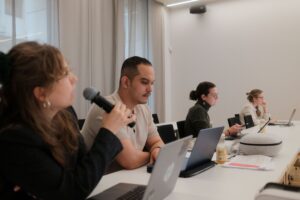
A central theme throughout the morning was how emerging technologies can create new ways to experience, interpret and access cultural heritage. During the roundtable “From Cultural Assets to Immersive Experiences: Emerging Technologies and Sustainable Business Models for Heritage,” experts discussed the potential of extended reality (XR), the metaverse and other immersive technologies for cultural tourism.
The conversation also highlighted an important question: how can promising digital heritage ideas become sustainable, investment-ready initiatives? Beyond technological innovation, successful projects need viable business models, collaboration across sectors and a clear understanding of the needs of their audiences and markets.
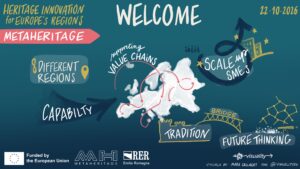
Four MetaHeritage business cases: Turning ideas into opportunities
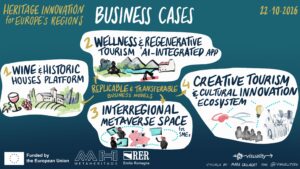
One of the programme’s key highlights was the presentation of four MetaHeritage business cases developed to explore opportunities for interregional innovation.
The cases addressed a diverse range of themes:
- Wine and historic houses: combining heritage assets, immersive technologies and an AI-integrated application.
- Wellness and regenerative tourism: exploring an AI-supported application with gamification features.
- An interregional metaverse for SMEs: bringing together artificial intelligence, gamification and digital twins.
- A Digital Heritage Innovation Accelerator: developing an interregional ecosystem to strengthen SME competitiveness and build scalable value chains across tourism, culture, creative industries, digital content and heritage services.
Together, these cases illustrated how heritage innovation can connect cultural assets with digital solutions, entrepreneurship and new forms of tourism. They also demonstrated the importance of looking beyond individual projects towards approaches that can be developed and adapted across regions.
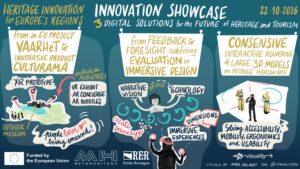
Showcasing innovation in practice
The innovation showcase brought practical examples of digital heritage and immersive experiences into the discussion. Presentations by Cordula Hansen of XYZ Technical Art Services, Alina the Goldwoman of OdysseyLab and Alexander Frölich-Kulik of Consensive highlighted real-world approaches to applying innovation in the heritage sector.
These contributions helped connect the strategic discussions with practical applications, demonstrating the variety of ways in which digital tools can support heritage interpretation and create engaging experiences.
The exchange also reinforced the importance of bringing together cultural organisations, technology providers, creative businesses and tourism stakeholders. Collaboration between these communities can help turn technical possibilities into meaningful experiences and sustainable services.
Building stronger interregional innovation ecosystems
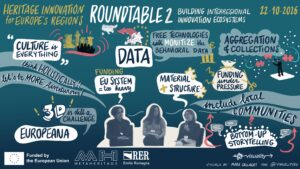
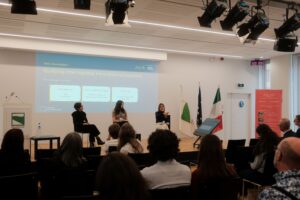
The final roundtable focused on building interregional innovation ecosystems for heritage and tourism. Participants explored how cultural heritage can contribute to regional innovation, what is needed to scale successful initiatives across regions, and which emerging topics could shape future interregional collaboration.
A key message running through the discussions was that heritage innovation requires more than technology alone. Strong partnerships, relevant skills, sustainable business models and connections between regional ecosystems are essential to unlock its wider potential.
This is closely aligned with the broader ambition of MetaHeritage: to strengthen connections between cultural heritage, tourism, digital innovation and regional development, while supporting new opportunities for businesses and other stakeholders.
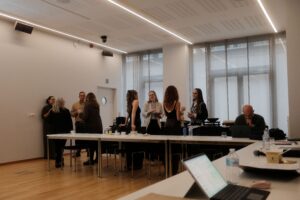
The event also created space for valuable conversations, the exchange of experiences and the exploration of potential future collaborations. The networking lunch provided a further opportunity for participants to continue discussions and build connections.
Celebrating the journey & looking ahead
The final event was an important moment to take stock of what the MetaHeritage consortium has developed together and to consider how its results can support future initiatives.
Over the course of the project, MetaHeritage has worked to strengthen the European heritage innovation ecosystem, encourage interregional cooperation and provide resources and practical approaches to help stakeholders explore digital transformation and new business opportunities.
As the project approaches its conclusion, the discussions in Brussels offered a timely reminder that this work can continue beyond the project itself. The relationships established, ideas exchanged and business cases explored provide a foundation for further cooperation among regions, cultural heritage organisations, tourism stakeholders, SMEs and technology providers.
The future of heritage innovation lies in connecting people, ideas and technologies, turning those connections into opportunities for sustainable growth.
Thank you to everyone who made it possible
We would like to extend our heartfelt thanks to the Emilia-Romagna Region Delegation to the EU for collaborating with us and hosting the event, to all speakers and panellists for sharing their expertise and perspectives, and to every participant who contributed to the lively and thought-provoking discussions.
A special thank-you also goes to the entire MetaHeritage consortium for its commitment, creativity and collaboration throughout the project.
Although the project is approaching its conclusion, the conversation continues. Stay tuned as we share further insights, outcomes and highlights from the MetaHeritage journey.
Together, let’s continue building new connections between cultural heritage, digital innovation and Europe’s regions.
copyright & credits: The graphic recordings were done by https://visuality.eu/.





Leave A Comment