
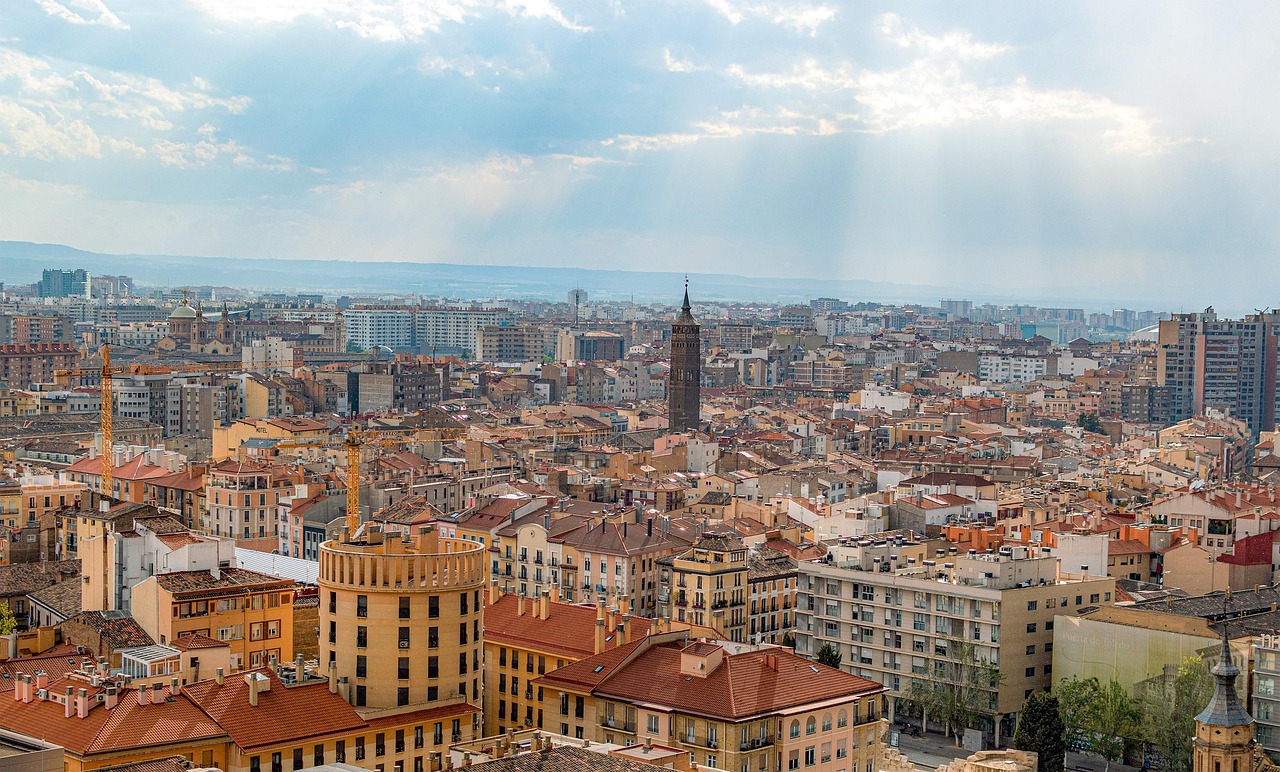
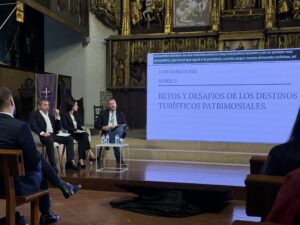
The Zaragoza Tourism Forum 2026 brought together tourism leaders, policymakers, researchers, and businesses to discuss how destinations across Europe can adapt to the evolving challenges of the tourism sector. At this year’s forum, the MetaHeritage Project contributed to the discussion by highlighting how stronger collaboration between tourism, cultural heritage, and the creative industries can drive sustainable and innovative tourism models.
During the forum, Michele Colavito (Clust-ER Turismo) emphasised one of the most pressing challenges facing many European tourism destinations today: fragmentation. In many regions, tourism businesses, cultural organisations, and local stakeholders operate in isolation rather than as part of a connected ecosystem. Strengthening these connections is essential for innovation and long-term resilience.
Clusters and regional networks can play a key role in this process. By connecting tourism SMEs, research organisations, and cultural institutions, clusters help businesses collaborate, share knowledge, and scale their innovations. They also act as intermediaries between local communities and the tourism sector ensuring that tourism development benefits residents while preserving the unique cultural identity of destinations.
Another important theme discussed at the forum was the need to support SMEs in navigating the digital and sustainability transitions. Tourism businesses must adapt to changing visitor expectations, new technologies, and environmental pressures. Public–private partnerships and cross-sector collaboration were highlighted as essential tools for providing SMEs with the resources and knowledge they need to innovate.
In this context, the MetaHeritage project demonstrates how culture, heritage, and tourism can work together to create new opportunities for regional development. By fostering collaboration between tourism actors and the cultural and creative industries, the project helps establish networks that support both innovation and sustainable tourism.
From Ideas to Practice: Digital Heritage Business Cases
At the forum, MetaHeritage also showcased concrete examples of how digital technologies can transform tourism experiences.
One example is a cross-regional cultural route linking regions such as Emilia-Romagna, Northern Portugal, the Azores, Galicia, and Thuringia. The initiative connects hiking, cycling, and long-distance walking routes with wellness tourism experiences, building on existing European cultural routes such as the Camino de Santiago and the Via Francigena. A dedicated digital app could enhance the visitor journey through gamified features, allowing travellers to collect points based on kilometres walked or cycled, as well as wellness activities at spas and thermal resorts.
Another forward-looking concept presented at the forum is the creation of an immersive digital environment where visitors can explore local tourism and cultural businesses from across participating European regions, including Vienna, Brussels, Galicia, Saxony, and Northern Portugal. Through interactive 3D “digital twins” of local stakeholders, users will be able to discover destinations in a playful, gamified virtual environment inspired by modern gaming dynamics.
Connecting Europe’s Tourism Ecosystems
The discussions in Zaragoza also highlighted the importance of strategic communication and collaboration at the European level. As new EU funding programmes are currently being shaped, stakeholders across sectors must work together to ensure that successful initiatives and innovative projects can be scaled and replicated across Europe.
By bringing together tourism SMEs, research institutions, cultural organisations, and policymakers, MetaHeritage contributes to this broader effort. The project acts as a bridge between sectors—helping to transform innovative ideas into collaborative solutions that strengthen Europe’s tourism ecosystems.
The Zaragoza Tourism Forum 2026 offered an inspiring platform to exchange ideas, build new partnerships, and explore how digital heritage and cross-sector collaboration can shape the future of tourism. For MetaHeritage, the event reaffirmed a central message: sustainable tourism innovation happens when culture, technology, and communities work together.







Leave A Comment